
As a writer of espionage thrillers, I’m fascinated by the world of secrets, deception, and the high stakes games people play in the shadows. While most people picture spies in trench coats battling international terrorists, a far more common – and arguably more damaging – form of espionage takes place every single day: commercial espionage.
Forget nation-state conflicts for a moment. This is a war waged by corporations against corporations, all for a competitive edge. And the weaponry isn’t bullets and bombs, it’s intellectual property.
What is Commercial Espionage?
Simply put, commercial espionage is the theft of trade secrets. This can include formulas, designs, customer lists, pricing strategies, manufacturing processes, research & development data… anything that gives a company an advantage over its rivals. Think of the recipe for Coca-Cola – that’s the kind of asset we’re talking about. But it extends far beyond iconic brands. It’s happening in pharmaceuticals, tech, automotive, agriculture, and pretty much every industry you can imagine.
How Does it Happen? It’s Not Always High-Tech.
While Hollywood often portrays commercial espionage as involving elaborate hacking and cyberattacks (and those do happen – more on that later), the reality is surprisingly… low-tech at times.
- The Disgruntled Employee: This is a classic. A frustrated or financially-motivated employee, with access to sensitive information, can be a goldmine for a competitor.
- Social Engineering: Con artists posing as IT support, surveyors, or even potential clients can manipulate employees into revealing confidential data. A well-placed phone call, a believable email, and suddenly, a security breach has occurred.
- Dumpster Diving: Seriously. Searching through a company’s trash for discarded documents (even shredded ones) can yield surprisingly useful intelligence.
- Industry Events & Conferences: Seemingly innocuous conversations at trade shows or conferences can be carefully orchestrated to extract information from unsuspecting targets. (Think of a character subtly steering a conversation in your next novel…)
- Third-Party Vendors: Suppliers, contractors, and other partners can be compromised or coerced into providing access to sensitive data.
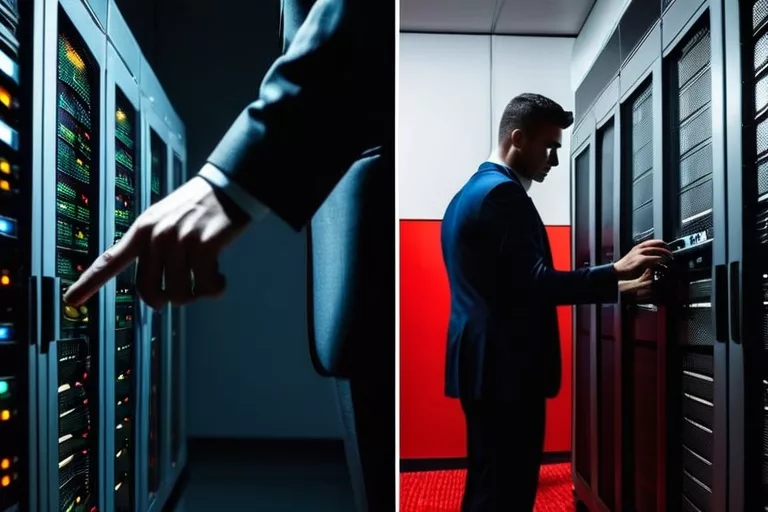
The Cyber Dimension: When Espionage Goes Digital
Of course, the digital age has amplified the threat exponentially. Cyberattacks are now a primary tool for commercial spies.
- Hacking: Targeted attacks on company servers, networks, and databases to steal intellectual property.
- Phishing: Deceptive emails designed to trick employees into revealing login credentials or installing malware.
- Malware & Ransomware: Spyware can be installed on company systems to monitor activity and steal data. Ransomware, while often focused on financial gain, can also be used as a distraction to cover up data theft.
- Insider Threats (Digital): Employees intentionally or unintentionally leaking data through email, USB drives, or cloud storage.
The Costs are Staggering
The FBI estimates that commercial espionage costs U.S. businesses hundreds of billions of dollars annually. Beyond the financial losses, it can stifle innovation, damage reputations, and even lead to job losses. And unlike traditional espionage, the perpetrators are often motivated by pure profit.
Is it Just “Competitive Intelligence?”
There’s a fine line between legitimate competitive intelligence gathering (researching publicly available information about competitors) and illegal espionage. The key difference? Theft. Gathering information through legal and ethical means is perfectly acceptable. Stealing trade secrets or using deceptive practices to obtain confidential information is not.
Real-World Examples (Without Naming Names)
While I can’t share classified details (obviously!), several high-profile cases have made headlines in recent years. We’ve seen instances of:
- Foreign governments sponsoring cyberattacks to steal intellectual property for their domestic companies.
- Employees being recruited by competitors with promises of lucrative rewards in exchange for trade secrets.
- Companies using sophisticated surveillance technology to monitor the activities of their rivals.
The Thriller Writer’s Perspective
As a writer, the world of commercial espionage is a goldmine. It’s a relatable, modern form of conflict with incredibly high stakes. It allows you to explore themes of greed, ambition, betrayal, and the lengths people will go to achieve success. It also grounds your thrillers in a reality that resonates with readers.
What are your thoughts?
Do you think commercial espionage is a bigger threat than traditional espionage? Let me know in the comments below! And if you enjoyed this post, be sure to check out my novels for more tales of intrigue and deception.