-
Open-Source Intelligence: The Hidden Risks Behind Social Media’s Bounty
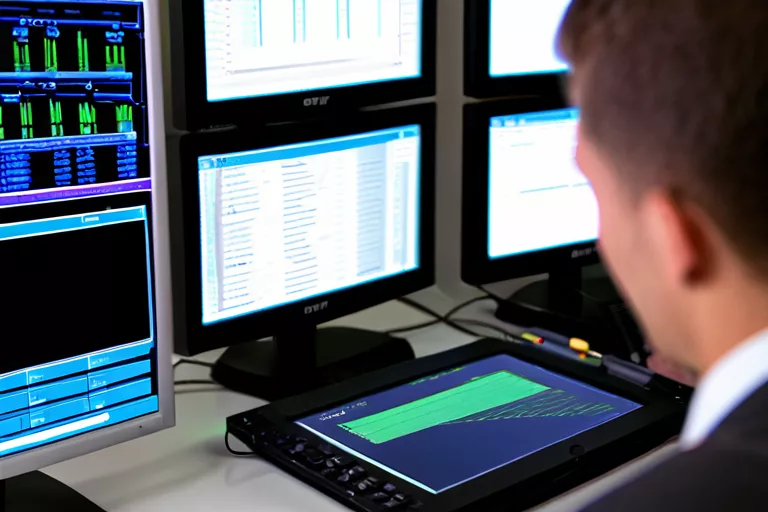
In the digital age, open-source software has become a beacon of collaboration and innovation. With countless developers contributing to projects that anyone can access, modify, and distribute, the open-source movement has revolutionized how we approach technology. It embodies transparency, community engagement, and shared progress. However, while the term “open-source” often evokes positive associations, there’s another concept that mirrors its principles in a more concerning way: Open-Source Intelligence (OSINT).
Understanding Open-Source Intelligence
Open-Source Intelligence refers to the collection and analysis of information that is publicly available—data that individuals voluntarily share on platforms like social media. This “intelligence” can be used for various purposes, both benign and nefarious.
- The Allure of Transparency:
Just as open-source software thrives on transparency, OSINT leverages the vast amounts of personal data willingly shared by users online. From tweets to Instagram photos and Facebook status updates, social media platforms serve as a goldmine for those seeking insights into an individual’s life. - The Double-Edged Sword:
While sharing information can enhance connectivity and foster community, it also poses significant risks. The more we share, the more vulnerable we become to exploitation. Personal details—such as travel plans, family connections, or even daily routines—are often disclosed without considering potential consequences. - From Hobbyists to Hackers:
Initially, OSINT was primarily used by researchers, journalists, and hobbyists to gather information for investigative purposes. However, in the wrong hands, it can be weaponized. Cybercriminals, hackers, and even malicious actors exploit these open data streams to craft targeted attacks or extract sensitive information.
The Espionage Parallel: Fiction Meets Reality
As an author of espionage fiction, I often explore themes where characters navigate a world filled with hidden dangers lurking in plain sight—much like the real-world implications of OSINT. In my stories, protagonists must be acutely aware of their digital footprints, understanding that seemingly innocuous details can unravel their missions if discovered by adversaries.
- Crafting the Narrative:
In crafting these tales, I draw parallels between the fictional world and reality. A character might use a social media post to set up a meeting with an informant, unaware that their location data could be traced by enemy agents—mirroring how real-world intelligence can turn everyday activities into vulnerabilities. - Awareness in the Digital Age:
The lessons from espionage fiction underscore the importance of being vigilant about what we share online. Just as spies are trained to control information flow and maintain secrecy, individuals today must become savvy digital citizens, aware of the potential repercussions of their online presence.
Mitigating Risks: Steps Towards Safer Social Media Use
To protect oneself in an era where OSINT is increasingly accessible, it’s crucial to adopt strategies that safeguard personal information:
- Mindful Sharing:
Think twice before posting details about your whereabouts or future plans. Limiting the amount of personal data shared can significantly reduce risk. - Privacy Settings:
Utilize privacy settings on social media platforms to control who sees your posts and personal information. Regularly review these settings, as they often change with platform updates. - Digital Literacy:
Educate yourself about digital security practices. Understanding the implications of data sharing can empower you to make informed decisions online. - Anonymity Options:
Consider using pseudonyms or anonymous profiles when discussing sensitive topics or exploring contentious issues on social media platforms.
Conclusion: Balancing Connectivity and Caution
As we embrace the collaborative spirit of open-source software, let us also be mindful of the parallels in OSINT. The same openness that fosters innovation can expose us to risks if not navigated wisely. By understanding these dynamics and adopting prudent practices, we can enjoy the benefits of social media while safeguarding our personal information.
In both my fictional worlds and real life, the lesson remains clear: Awareness is key. As we continue to share our lives online, let’s do so with a keen awareness of who might be watching—and what they could learn from us.
- The Allure of Transparency:
-
Espionage in the Mind’s Eye: Beyond Gadgets and Technology

In the world of espionage fiction, we often find ourselves captivated by sleek gadgets, state-of-the-art technology, and heart-pounding action sequences. The allure of high-tech devices like hidden cameras, encrypted communications, and stealthy vehicles is undeniable, painting a picture of modern-day spies as tech-savvy operators with an arsenal of digital tools at their disposal.
However, while technology undeniably plays a significant role in the realm of espionage, it’s crucial to delve deeper into what truly makes an effective spy. At its core, espionage is not about gadgets or cutting-edge technology; rather, it’s rooted in the human psyche—the mind’s unparalleled capacity for cunning, adaptability, and psychological acumen.
The Essence of Espionage: Mentality Over Mechanics
- Psychological Resilience:
In espionage, one of the most critical traits is the ability to remain composed under pressure. Spies often find themselves in high-stakes situations where split-second decisions can mean life or death. This mental fortitude enables them to navigate complex scenarios with a level-headedness that transcends any technological aid. - Empathy and Emotional Intelligence:
Successful espionage requires an understanding of human behavior—being able to read people, predict their actions, and manipulate situations subtly. Spies must often blend in seamlessly or build trust quickly, skills honed through keen emotional intelligence rather than gadgetry. - Critical Thinking and Problem Solving:
Every mission presents unique challenges that require creative solutions. The ability to think critically, assess risks, and devise strategies without relying solely on technology is what separates great spies from the rest. It’s about leveraging one’s intellect to outwit adversaries in unforeseen ways. - Adaptability and Resourcefulness:
Real-world espionage often unfolds in unpredictable environments where plans can change rapidly. Spies must be adaptable, capable of using whatever tools or circumstances are available to them at any given moment. This resourcefulness is a mental skill, emphasizing flexibility over reliance on pre-determined tech solutions. - The Art of Deception:
At the heart of espionage lies the art of deception—misleading adversaries while maintaining one’s cover story. Crafting believable narratives and controlling information flow are cognitive exercises that demand sharp wits and an understanding of human psychology far more than any device can provide.
Stories from the Shadows: Espionage in Literature
As an author of espionage fiction, I am fascinated by these mental battles. My stories often explore characters who rely on their psychological prowess to achieve their goals. These protagonists are not defined by their gadgets but by their ability to think several steps ahead of their opponents, employing wit and cunning as their most potent weapons.
Consider a scenario where a spy must extract critical information from an unsuspecting target without arousing suspicion. No amount of advanced technology can replace the skillful manipulation of social dynamics or the psychological insight required to navigate such a delicate situation successfully.
Conclusion: The Human Element in Espionage
While technological advancements have undoubtedly transformed the landscape of espionage, they remain tools at the disposal of those who possess the mental acumen to wield them effectively. The essence of being an exceptional spy lies within the mind—the ability to strategize, adapt, and outthink adversaries is what truly defines a master in this clandestine art.
In my novels, I strive to capture this nuanced interplay between technology and mentality, illustrating that while gadgets can enhance capabilities, they are no substitute for the human element at the heart of espionage. As we continue to explore this thrilling genre, let us remember that it is the mind’s eye—the spy’s greatest asset—that ultimately shapes the narrative.
Thank you for joining me in this exploration of the mental intricacies behind espionage fiction. I hope it inspires a deeper appreciation for the characters and stories that captivate our imaginations.
- Psychological Resilience:
-
Beyond the Documents: Unmasking Travel Fraud & the Fight for Secure Borders

Auther’s Note: This article is for informational and entertainment purposes only. The author does not condone or encourage any illegal activities, including forgery or the use of fraudulent documents. The information presented here is based on publicly available sources and is intended to provide a general overview of the challenges and techniques involved in combating travel fraud. Any attempt to create or use fraudulent documents is illegal and carries significant consequences.
For decades, the world of espionage and international travel has been shadowed by the threat of fraudulent documents. While Hollywood often focuses on daring escapes and ingenious disguises, the reality is a constant battle against sophisticated forgeries and manipulated identities. This article delves into the world of travel fraud, not to detail how to create false documents, but to explore how authorities detect them and the ongoing fight to secure our borders.
The Evolution of Travel Documents & The Forger’s Challenge
Modern passports and visas are far more than just paper documents. They incorporate a multitude of security features designed to thwart forgery, including complex holograms, watermarks, UV printing, microprinting, and increasingly, biometric data embedded within microchips. Each feature represents a challenge to those attempting to create convincing counterfeits.
However, the ingenuity of forgers is constantly evolving. While replicating every security feature perfectly is nearly impossible, skilled criminals often focus on creating convincing illusions – exploiting vulnerabilities in inspection processes or relying on outdated information. This highlights the critical need for constant vigilance and innovation on the part of border control agencies.
Focusing on Detection: The Tools & Techniques of Border Control
Border control officers don’t just glance at a passport; they conduct a meticulous examination using a variety of tools and techniques:
- Visual Inspection: Trained officers are experts in spotting inconsistencies – mismatched photos, incorrect fonts, faded ink, or signs of tampering.
- UV Light Examination: This reveals hidden security features that are invisible to the naked eye.
- Document Verification Systems (DVS): Access to global databases allows officers to verify the validity of passports and visas, check for outstanding warrants, and identify stolen or lost documents.
- Biometric Scanning: Comparing fingerprints and facial scans to those stored on the document and in global databases provides a crucial layer of authentication.
- Interview Techniques: Skilled officers can assess the traveler’s knowledge of their travel plans and detect inconsistencies that may indicate a fraudulent identity.
The Visa Process: An Added Layer of Security
The visa application process adds another crucial layer of security. Consular officials meticulously review applications, verify supporting documentation, and conduct interviews to assess the applicant’s intentions. While visas can be forged or obtained using false pretenses, the process makes it more difficult for criminals to travel undetected.
The Importance of Information Sharing & International Cooperation
Combating travel fraud is not a task that any one country can accomplish alone. Effective border security relies on robust information sharing and close cooperation between international law enforcement agencies. Sharing data on stolen passports, known forgers, and emerging trends in travel fraud is critical to preventing criminals from exploiting vulnerabilities in border control systems.
The Psychological Element: Understanding the Motives & Methods
Beyond the technical aspects of forgery detection, understanding the psychological element is crucial. What motivates someone to assume a false identity? What methods do they employ to deceive authorities? By understanding the motivations and methods of criminals, border control agencies can develop more effective strategies for detecting fraudulent documents and securing our borders.